
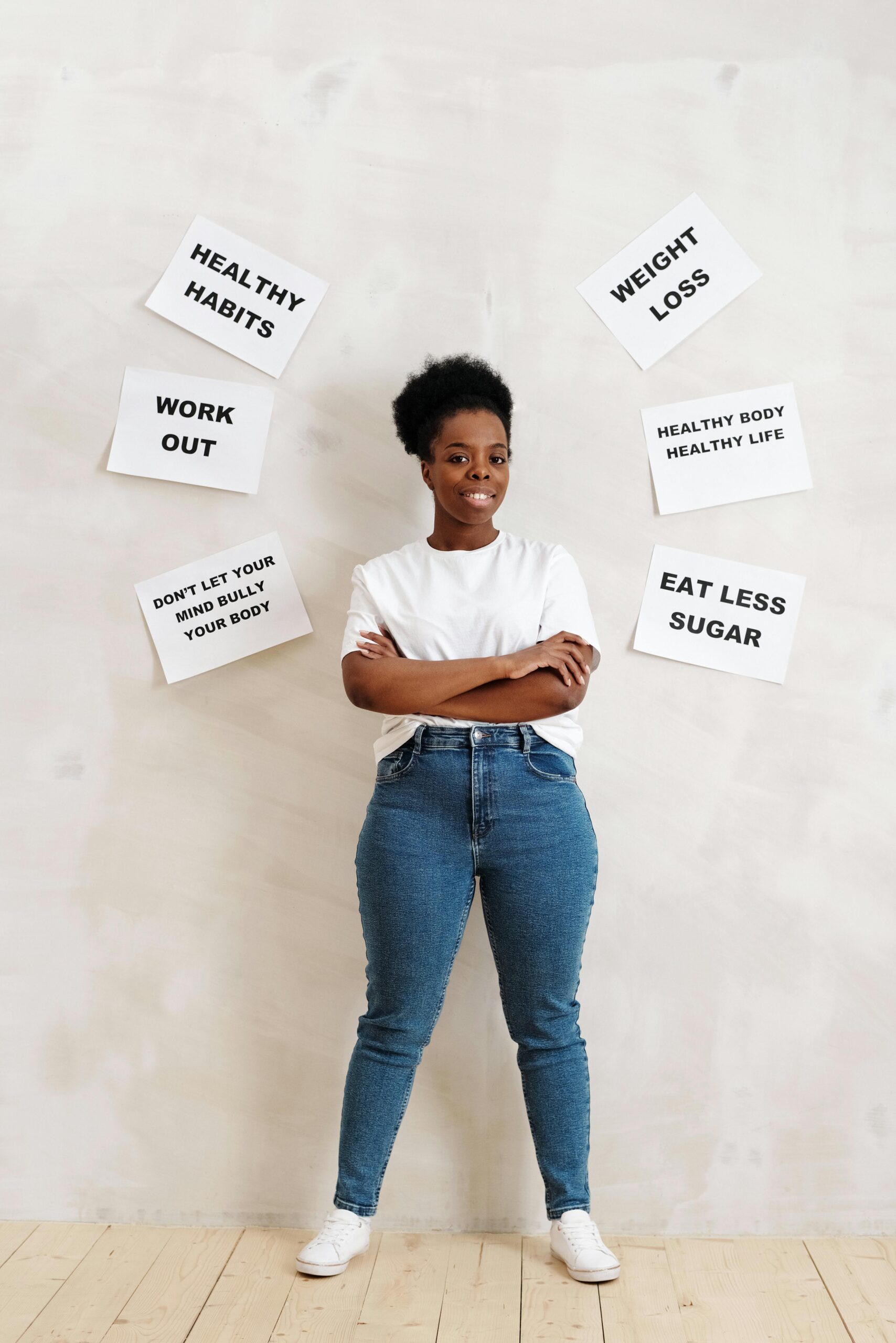
Let’s get real for a second: building good habits is hard. Like, really hard. You start with the best intentions—maybe you want to exercise more, eat healthier, or finally read that book that’s been gathering dust on your nightstand. But a week later, you’re back to your old ways, wondering where it all went wrong.
Sound familiar? Don’t worry, you’re not alone. Most people fail at building good habits, but not because they lack willpower or motivation. They fail because they’re using the wrong approach.
The good news? There’s a better way. By understanding why most people fail and adopting a smarter system, you can finally build habits that stick. Let’s break it down.
Why Most People Fail at Building Habits
Before we dive into the solution, let’s talk about the problem. Why do so many people struggle to build good habits? Here are the four biggest reasons:
1. They Start Too Big
We’ve all been there. You decide to completely overhaul your life overnight—wake up at 5 AM, run 5 miles, meditate for an hour, and eat nothing but kale. But here’s the thing: big changes are hard to sustain. When you start too big, you’re setting yourself up for burnout and failure.
2. They Rely on Motivation
Motivation is great—when it’s there. But motivation is fickle. It comes and goes like the weather. If you’re relying on motivation to build habits, you’re in for a rough ride.
3. They Don’t Track Progress
Out of sight, out of mind. If you’re not tracking your progress, it’s easy to lose sight of your goals and fall back into old habits.
4. They Don’t Make Habits Easy
Let’s face it: if something feels hard or inconvenient, we’re less likely to do it. Most people don’t set themselves up for success by making their habits easy and accessible.
The Secret to Building Habits That Stick
Now that we know why most people fail, let’s talk about how to succeed. Building good habits isn’t about willpower or motivation—it’s about creating a system that works for you. Here’s how to do it:
1. Start Small: The 2-Minute Rule
The key to building habits is to start small—so small that it feels almost too easy. This is where the 2-Minute Rule comes in.
The idea is simple: if a habit takes less than two minutes, do it right away. If it takes longer, commit to doing it for just two minutes.
Why it works: Starting is often the hardest part. By committing to just two minutes, you remove the mental barrier and make it easier to get started. And once you’ve started, you’ll often find that it’s easier to keep going.
Examples:
- Want to read more? Read one page.
- Want to work out? Do one push-up.
- Want to meditate? Sit quietly for two minutes.
Small wins build momentum and make it easier to stick with your habits over time.
2. Use Habit Stacking
Habit stacking is a powerful technique that involves attaching a new habit to something you already do. By linking the new habit to an existing one, you create a natural trigger that makes it easier to remember and follow through.
How it works:
- Identify a habit you already do consistently (e.g., brushing your teeth).
- Attach the new habit to it (e.g., “After I brush my teeth, I will drink a glass of water”).
Why it works: Our brains love patterns and associations. By stacking habits, you’re creating a clear cue that reminds you to take action.
Examples:
- “After I pour my morning coffee, I will write one sentence in my journal.”
- “After I finish lunch, I will take a 5-minute walk.”
3. Make It Obvious
If you want to build a habit, make it obvious. This means setting up your environment so that the habit is easy to see and access.
Why it works: When something is visible and convenient, you’re more likely to do it. Out of sight, out of mind—and vice versa.
Examples:
- Want to practice guitar? Keep it next to the couch.
- Trying to eat healthier? Put a bowl of fruit on the counter where you can see it.
- Want to drink more water? Keep a water bottle on your desk.
4. Reward Yourself
Your brain needs a reason to keep going. That’s why rewards are so important. When you celebrate your progress—even the small wins—you create positive reinforcement that makes it easier to stick with your habits.
Why it works: Rewards release dopamine, the “feel-good” chemical in your brain. This creates a sense of pleasure and satisfaction that motivates you to keep going.
Examples:
- After completing a workout, treat yourself to a favorite snack or a relaxing bath.
- After finishing a chapter of a book, take a few minutes to scroll through social media.
- After meditating for a week, reward yourself with a small purchase or a fun activity.
5. Track Your Progress
Tracking your progress is a game-changer when it comes to building habits. When you can see how far you’ve come, it’s easier to stay motivated and keep going.
Why it works: Tracking creates a sense of accomplishment and accountability. It also helps you identify patterns and make adjustments as needed.
How to do it:
- Use a simple habit tracker (e.g., a calendar, app, or journal).
- Mark an “X” or checkmark for each day you complete the habit.
- Celebrate streaks and milestones to stay motivated.
The Bottom Line: It’s About Systems, Not Willpower
Building good habits isn’t about discipline or willpower—it’s about setting up your environment and routines for success. By starting small, using habit stacking, making habits obvious, rewarding yourself, and tracking your progress, you can create a system that makes it easy to stick with your goals.
So, what habit are you working on right now? Whether it’s exercising, reading, meditating, or something else entirely, remember: success isn’t about perfection. It’s about progress.
Now, go forth and build those habits. You’ve got this! 🚀
#HabitBuilding #StartSmall #ProgressNotPerfection




Leave a Reply