
Memory is one of the most fascinating functions of the human brain, enabling us to recall experiences, learn new skills, and navigate the world. Understanding how memories are stored and later retrieved involves exploring the intricate processes and structures within the brain. These mechanisms not only shape our personal identities but also influence how we interact with our environment and others.
At the heart of memory lies the brain’s ability to encode, store, and retrieve information. This complex process relies on a network of specialized regions that work together seamlessly. Delving into the science of memory provides a deeper appreciation of how the brain enables us to carry our past into the present and use it to guide future actions.
Quick Recommendation: Explore our blog for valuable tips on boosting brain health and sharpening memory. Want to improve your cognitive function and keep your mind sharp, no matter what challenges you face? Check out the Brand New Brain Health Supplement.
The Role of the Hippocampus
The hippocampus, a seahorse-shaped structure in the brain’s temporal lobe, plays a central role in the formation and initial storage of memories. It acts as a sort of relay station, processing and consolidating short-term memories into long-term ones. Without a functioning hippocampus, new memories cannot be properly formed, as seen in conditions like anterograde amnesia.
While the hippocampus is vital for memory formation, it does not permanently store memories. Instead, it serves as a temporary hub, ensuring that information is transferred to other regions of the brain for long-term storage. This division of labor allows the brain to efficiently manage its vast repository of knowledge and experiences.
The Cortex and Long-Term Storage
Once memories are consolidated, they are stored in the cerebral cortex, the brain’s outermost layer. Different types of memories—such as visual, auditory, or emotional—are distributed across various regions of the cortex. For instance, visual memories are stored in the occipital lobe, while auditory memories reside in the temporal lobe.
This distributed storage system highlights the interconnected nature of the brain. Rather than being confined to one area, memories are pieced together from multiple cortical regions during retrieval, creating a rich and detailed recollection of past events.
Neurons and Synaptic Connections
At a microscopic level, memory storage occurs through changes in neurons and their connections, known as synapses. When new information is learned, neurons communicate by strengthening or creating new synaptic links—a process called synaptic plasticity. These changes form the foundation of memory storage, enabling the brain to adapt and retain new information.
The repeated activation of neural pathways strengthens these synapses, making memories more robust. This is why practice and repetition are essential for retaining information and skills, as they reinforce the neural circuits associated with specific memories.
Quick Recommendation: Explore our blog for valuable tips on boosting brain health and sharpening memory. Want to improve your cognitive function and keep your mind sharp, no matter what challenges you face? Check out the Brand New Brain Health Supplement.
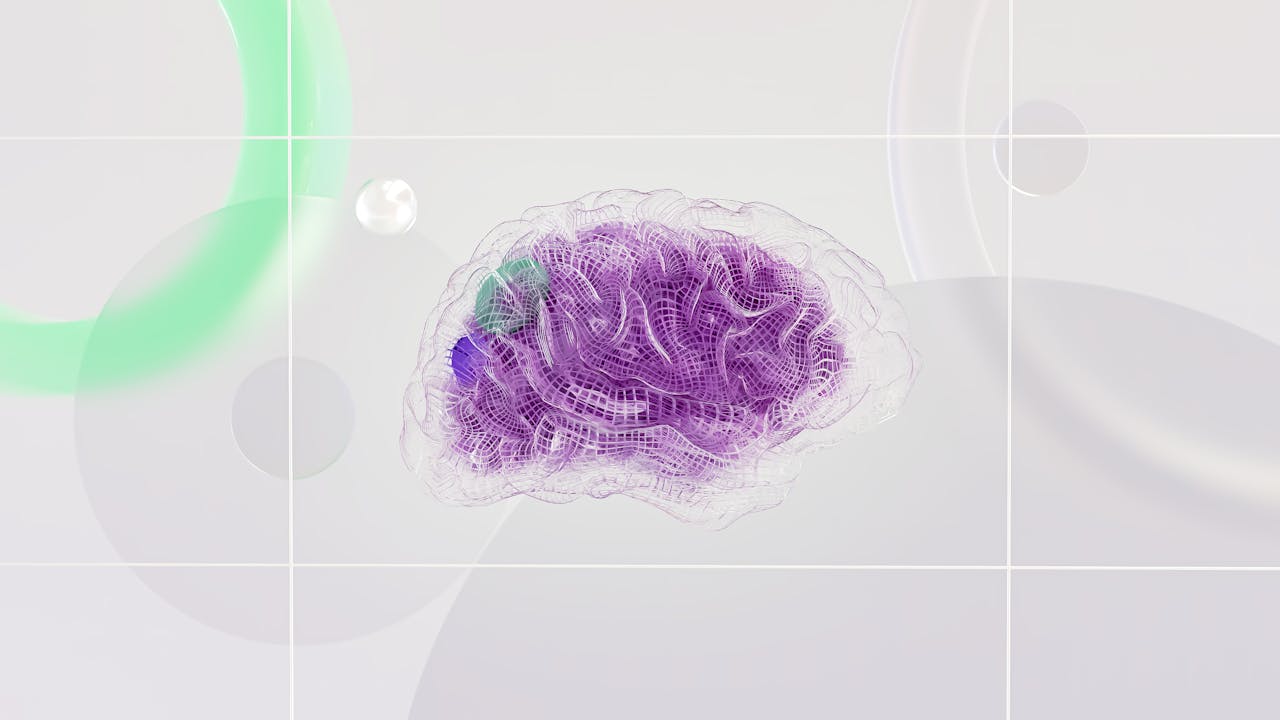
How Memories are Retrieved
Retrieving a memory involves reactivating the neural circuits where it was originally stored. The prefrontal cortex, a region involved in decision-making and reasoning, plays a key role in this process by coordinating signals from different parts of the brain.
Interestingly, memory retrieval is not always perfect. Factors like stress, distractions, or time can interfere with the process, leading to incomplete or distorted recollections. Despite these challenges, the brain’s ability to retrieve stored information remains one of its most remarkable capabilities.
The Impact of Emotion on Memory
Emotion has a profound influence on memory, affecting both how memories are stored and how they are recalled. The amygdala, a small almond-shaped structure, interacts closely with the hippocampus to encode emotionally charged memories more vividly. This is why highly emotional events, such as a wedding or a traumatic incident, are often easier to remember.
However, this heightened memory retention comes with drawbacks. Intense emotional memories can sometimes overshadow neutral ones, and in cases of trauma, they may lead to conditions like PTSD, where the brain struggles to regulate and process these memories effectively.
The Role of Sleep in Memory Consolidation
Sleep is essential for the consolidation of memories. During deep sleep, the hippocampus replays recent experiences, transferring them to the cortex for long-term storage. This process strengthens synaptic connections and organizes memories, making them more accessible during retrieval.
Lack of sleep can disrupt this consolidation process, leading to forgetfulness and difficulty learning new information. Prioritizing quality sleep is therefore crucial for maintaining a healthy memory system.
Memory is a dynamic and ever-evolving function that reflects the brain’s incredible adaptability. By understanding how memories are stored, processed, and retrieved, we gain valuable insights into what makes us human. This knowledge not only enhances our appreciation of the brain’s complexity but also informs strategies for improving memory and cognitive health.
Quick Recommendation: Explore our blog for valuable tips on boosting brain health and sharpening memory. Want to improve your cognitive function and keep your mind sharp, no matter what challenges you face? Check out the Brand New Brain Health Supplement.




Leave a Reply to Siyabonga mava Makwetu Cancel reply